


Ongoing Projects
-
Contaminated site N6 / Lower Austria
Aluminium slag dump
Subject of Project
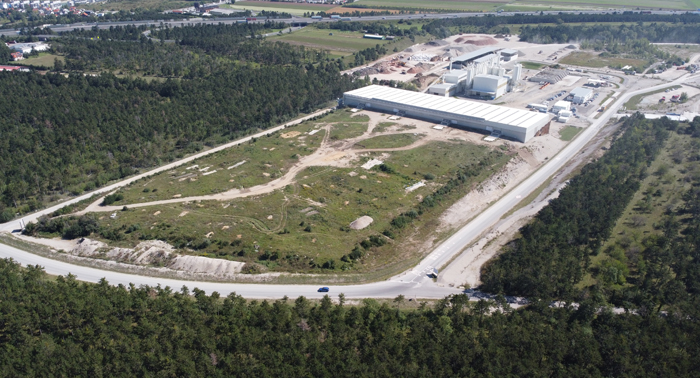
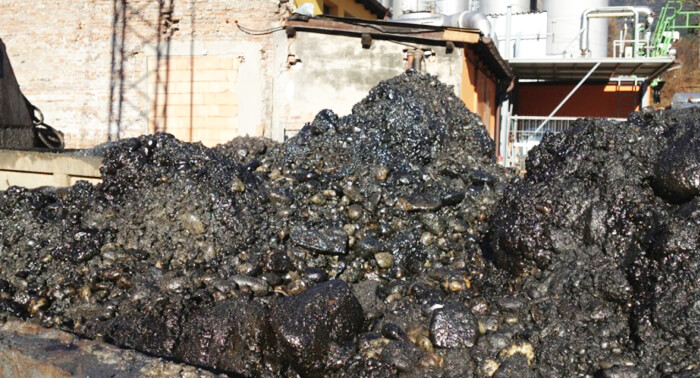
Former gravel pit within the Mitterndorfer Senke, to the west of Wiener Neustadt with an exploitation depth of approx. 12 – 17 m. During the period of 1974-1990, waste materials of the wood and textile industry as well as construction waste and powder of aluminium-slag of the Almeta Company were deposited. As a consequence of the waste materials being deposited directly on the porous underground of the gravel pit, the ground water has been affected. The surface of the landfill was partially covered with a mineral seal. -
Altlast N6 / Niederösterreich
Aluminiumschlackendeponie
Projektgegenstand
Ehemalige Kiesgrube innerhalb der Mitterndorfer Senke westlich von Wiener Neustadt mit einer Abbautiefe von ca. 12 - 17 m. 1974-1990 wurden Abfälle der Holz- und Textilindustrie sowie Bauschutt und Aluminiumschlackenstaub der Fa. Almeta abgelagert. Die Deponie umfasst rund 1 Mio. Tonnen Abfälle. Da die Ablagerungen direkt auf dem durchlässigen Untergrund der Kiesgrube erfolgten, führte dies zu Beeinträchtigungen des Grundwassers. Die Oberfläche der Deponie wurde zum Teil mit einer mineralischen Dichtung abgedeckt. -
Altlast N6 / Niederösterreich
Aluminiumschlackendeponie
Projektgegenstand
Ehemalige Kiesgrube innerhalb der Mitterndorfer Senke westlich von Wiener Neustadt mit einer Abbautiefe von ca. 12 - 17 m. 1974-1990 wurden Abfälle der Holz- und Textilindustrie sowie Bauschutt und Aluminiumschlackenstaub der Fa. Almeta abgelagert. Die Deponie umfasst rund 1 Mio. Tonnen Abfälle. Da die Ablagerungen direkt auf dem durchlässigen Untergrund der Kiesgrube erfolgten, führte dies zu Beeinträchtigungen des Grundwassers. Die Oberfläche der Deponie wurde zum Teil mit einer mineralischen Dichtung abgedeckt. -
Altlast N6 / Niederösterreich
Aluminiumschlackendeponie
Projektgegenstand
Ehemalige Kiesgrube innerhalb der Mitterndorfer Senke westlich von Wiener Neustadt mit einer Abbautiefe von ca. 12 - 17 m. 1974-1990 wurden Abfälle der Holz- und Textilindustrie sowie Bauschutt und Aluminiumschlackenstaub der Fa. Almeta abgelagert. Die Deponie umfasst rund 1 Mio. Tonnen Abfälle. Da die Ablagerungen direkt auf dem durchlässigen Untergrund der Kiesgrube erfolgten, führte dies zu Beeinträchtigungen des Grundwassers. Die Oberfläche der Deponie wurde zum Teil mit einer mineralischen Dichtung abgedeckt. -
Altlast N6 / Niederösterreich
Aluminiumschlackendeponie
Projektgegenstand
Ehemalige Kiesgrube innerhalb der Mitterndorfer Senke westlich von Wiener Neustadt mit einer Abbautiefe von ca. 12 - 17 m. 1974-1990 wurden Abfälle der Holz- und Textilindustrie sowie Bauschutt und Aluminiumschlackenstaub der Fa. Almeta abgelagert. Die Deponie umfasst rund 1 Mio. Tonnen Abfälle. Da die Ablagerungen direkt auf dem durchlässigen Untergrund der Kiesgrube erfolgten, führte dies zu Beeinträchtigungen des Grundwassers. Die Oberfläche der Deponie wurde zum Teil mit einer mineralischen Dichtung abgedeckt. -
Altlast N6 / Niederösterreich
Aluminiumschlackendeponie
Projektgegenstand
Ehemalige Kiesgrube innerhalb der Mitterndorfer Senke westlich von Wiener Neustadt mit einer Abbautiefe von ca. 12 - 17 m. 1974-1990 wurden Abfälle der Holz- und Textilindustrie sowie Bauschutt und Aluminiumschlackenstaub der Fa. Almeta abgelagert. Die Deponie umfasst rund 1 Mio. Tonnen Abfälle. Da die Ablagerungen direkt auf dem durchlässigen Untergrund der Kiesgrube erfolgten, führte dies zu Beeinträchtigungen des Grundwassers. Die Oberfläche der Deponie wurde zum Teil mit einer mineralischen Dichtung abgedeckt.
-
> more
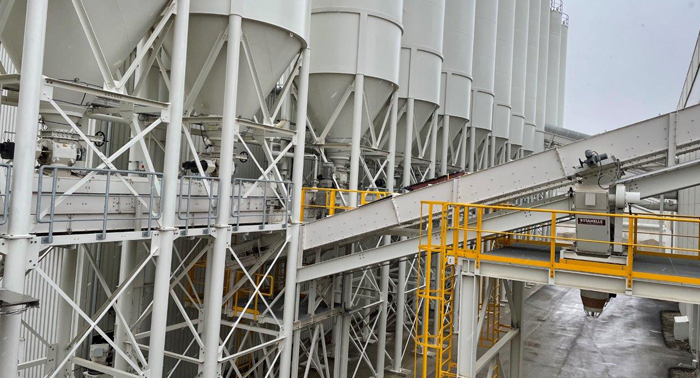
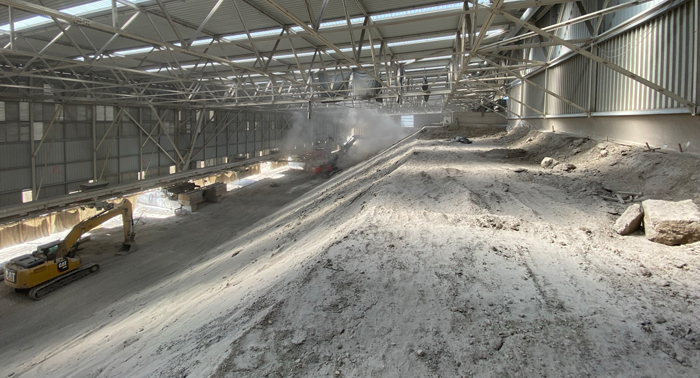
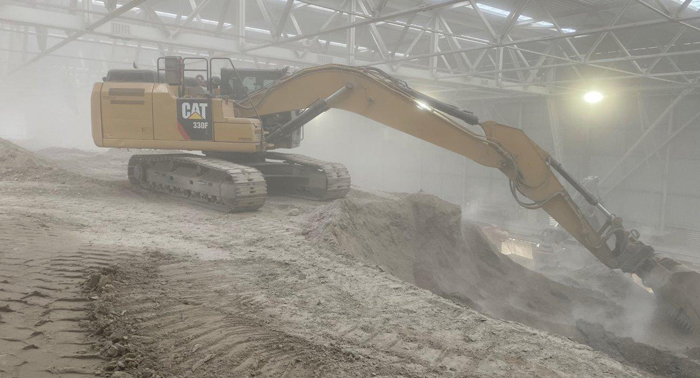
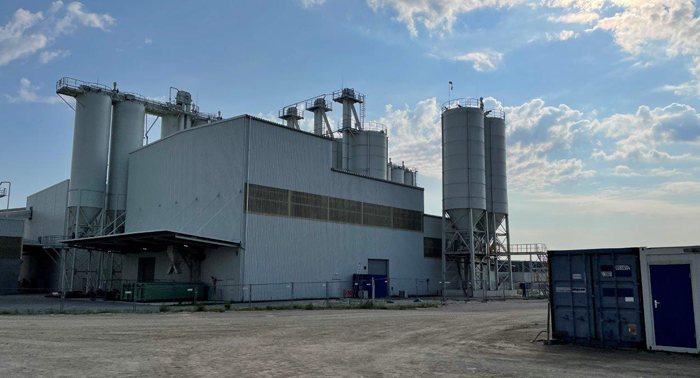
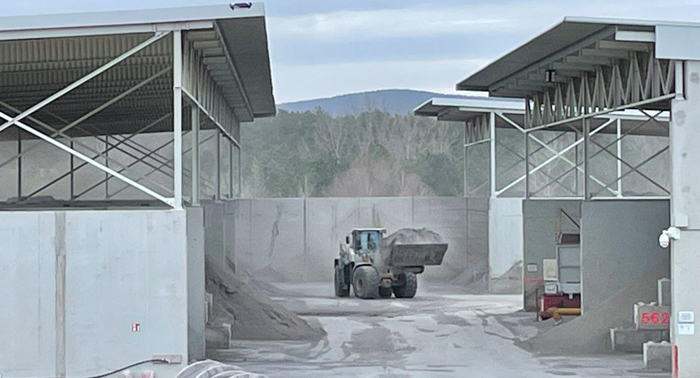
The implementation of the rehabilitation project, which is approved according to environmental impact assessment procedure, has been ongoing since 2017. Over the first two years the required infrastructure was set up. The actual rehabilitation, i.e. the renaturation of the landfill site, has been ongoing since 2019 and will continue until 2027. The aluminium dross which was deposited over a large area will be treated in a facility specifically set up for this purpose on site. The core process of the treatment is the recovery of the metallic aluminium contained in the waste, which will be returned to the economic cycle as a secondary raw material.
This saves natural resources and several hundred thousand tons of CO2. In addition to the rehabilitation of a hazardous contaminated site, BALSA is also contributing to sustainable climate protection.
The project volume is EUR 290 million (excl. VAT.)Assignments of BALSA:
Complete realisation and management of remediation measures:
- Complete realisation and management of remediation measures:
- onceptual planning / project-filing / detailed planning
- planning and management of detailed exploration
- planning of remediation measures
- carrying out of tendering and award procedures
- all agenda of project-management and project-steering
-
Contaminated siteT5 / Tyrol
Rum roofing felt factory
Subject of project
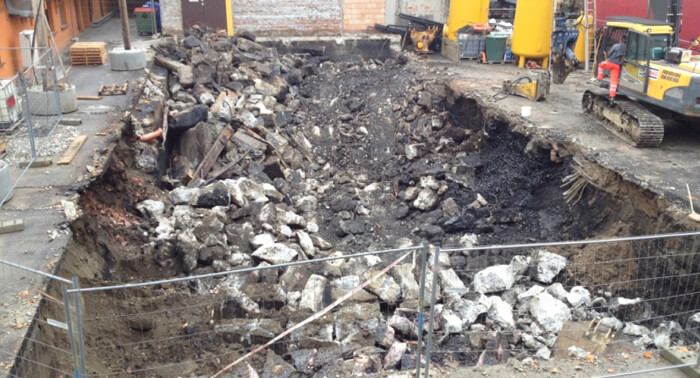
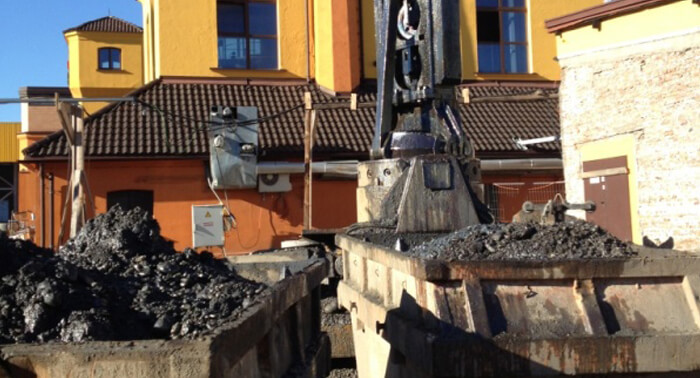
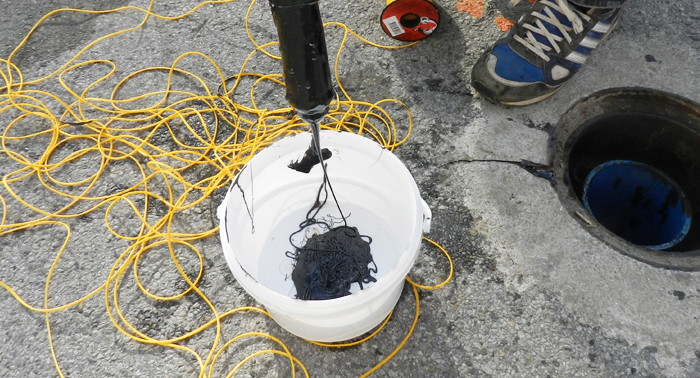
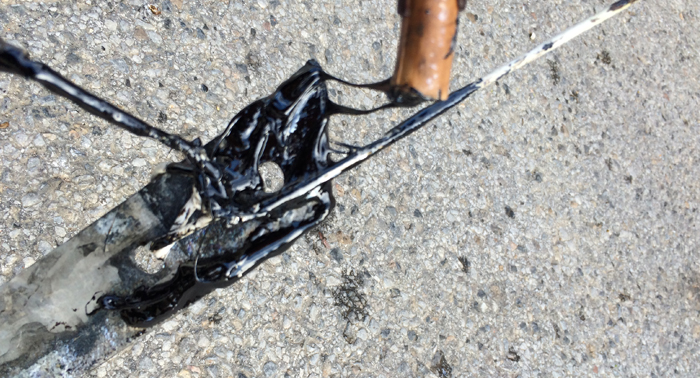
On this location in the municipal area of Rum, a pit-coal-creosote-distillery was run in the period between1908 – 1959. The production was primarily focused on roofing felt, asphalt and other tar products. In 1960, within the scope of a changeover of the company, the crude materials were substituted by mineral oil. Up to this time the surface of the company grounds was unfortified. In the course of the construction of a new gas station in 1990, soil and groundwater contaminations, inflicted by the roofing felt plant, were detected. -
Altlast T5 / Tirol
Dachpappenfabrik Rum
Projektgegenstand
An diesem Standort im Gemeindegebiet Rum wurde in der Zeit von 1908 bis 1959 eine Steinkohleteeröldestillation betrieben. Es wurden v.a. Dachpappen, Asphalt und andere Teerprodukte produziert. Im Rahmen einer Betriebsumstellung erfolgte 1960 die Rohstoffsubstitution durch Erdöl. Bis zu diesem Zeitpunkt war die Oberfläche des Betriebsgeländes unbefestigt. 1990 wurden im Zuge des Neubaus einer Tankstelle Boden- und Grundwasserverunreinigungen aus dem Betrieb der Dachpappenfabrik festgestellt. -
Altlast T5 / Tirol
Dachpappenfabrik Rum
Projektgegenstand
An diesem Standort im Gemeindegebiet Rum wurde in der Zeit von 1908 bis 1959 eine Steinkohleteeröldestillation betrieben. Es wurden v.a. Dachpappen, Asphalt und andere Teerprodukte produziert. Im Rahmen einer Betriebsumstellung erfolgte 1960 die Rohstoffsubstitution durch Erdöl. Bis zu diesem Zeitpunkt war die Oberfläche des Betriebsgeländes unbefestigt. 1990 wurden im Zuge des Neubaus einer Tankstelle Boden- und Grundwasserverunreinigungen aus dem Betrieb der Dachpappenfabrik festgestellt. -
Altlast T5 / Tirol
Dachpappenfabrik Rum
Projektgegenstand
An diesem Standort im Gemeindegebiet Rum wurde in der Zeit von 1908 bis 1959 eine Steinkohleteeröldestillation betrieben. Es wurden v.a. Dachpappen, Asphalt und andere Teerprodukte produziert. Im Rahmen einer Betriebsumstellung erfolgte 1960 die Rohstoffsubstitution durch Erdöl. Bis zu diesem Zeitpunkt war die Oberfläche des Betriebsgeländes unbefestigt. 1990 wurden im Zuge des Neubaus einer Tankstelle Boden- und Grundwasserverunreinigungen aus dem Betrieb der Dachpappenfabrik festgestellt. -
Altlast T5 / Tirol
Dachpappenfabrik Rum
Projektgegenstand
An diesem Standort im Gemeindegebiet Rum wurde in der Zeit von 1908 bis 1959 eine Steinkohleteeröldestillation betrieben. Es wurden v.a. Dachpappen, Asphalt und andere Teerprodukte produziert. Im Rahmen einer Betriebsumstellung erfolgte 1960 die Rohstoffsubstitution durch Erdöl. Bis zu diesem Zeitpunkt war die Oberfläche des Betriebsgeländes unbefestigt. 1990 wurden im Zuge des Neubaus einer Tankstelle Boden- und Grundwasserverunreinigungen aus dem Betrieb der Dachpappenfabrik festgestellt.
-
> more
Remediation measures:
Remediation is carried out by
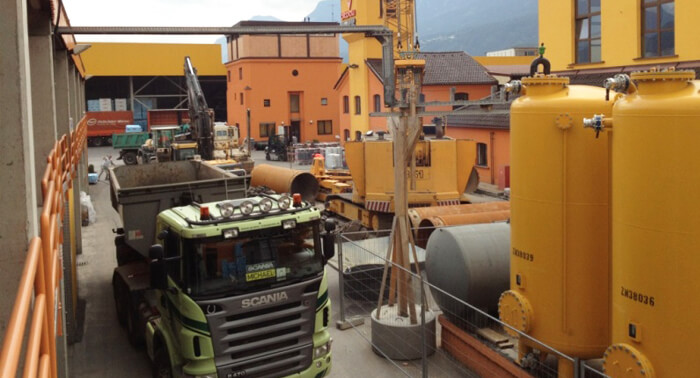
- hydraulic measures (safety wells, cleaning of groundwater, infiltration wells, pump & treat technology);
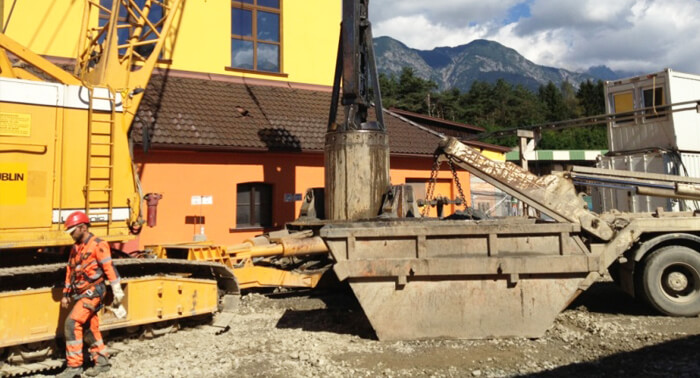
- decontamination by removal of heavily contaminated subsoil areas (hot-spots), mainly by large diameter gripple drillings;
- processing of a pilot test to verify the applicability of in-situ measures.
Assignments of BALSA:
Complete realisation and management of remediation measures:
- conceptual planning / project filing / detailed planning
- planning and management of detailed exploration
- planning of remediation measures
- carrying out of tendering and award procedures
- all subtasks of project management and project steering
Carrying out of remediation measures was concluded at the end of 2013.
The groundwater purification plant is still in operation as a hydraulic safeguard of the site.
-
Contaminated site ST28 / Styria
Jakomini gas plant
Subject of project
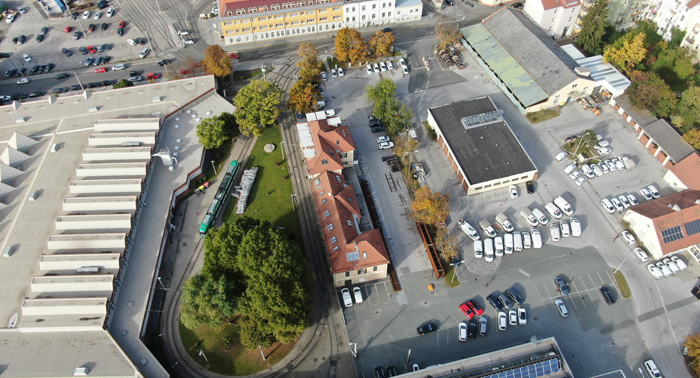
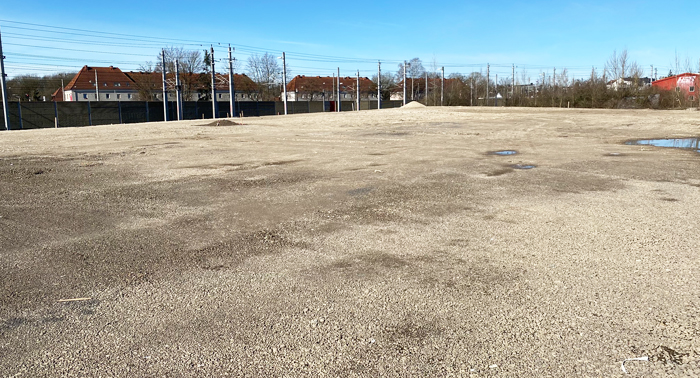
On this site municipal gas was produced in the period between 1845 and 1945. At the end of World War II the plant was almost completely destroyed by bomb attacks and was not reconstructed thereafter. Currently a tram remise, the main workshop for trams as well as several administrative buildings are situated on the area.
The subsoil in the eastern part of the area is partly contaminated with tar and tar oil, whereby tar has locally spread down to the aquiclude in a depth of approx. 20 m. Starting from the subsoil pollution, a contaminant input into the groundwater can be observed. -
Altlast ST28 / Steiermark
Gaswerk Jakomini
Projektgegenstand
Am Altstandort „Gaswerk Jakomini“ wurde zwischen 1845 und 1945 Stadtgas erzeugt. Ende des 2. Weltkrieges wurde das Werk durch Bombentreffer beinahe völlig zerstört und danach nicht wiederaufgebaut. Derzeit befindet sich auf dem Standort eine Straßenbahnremise, die Hauptwerkstätte für Straßenbahnen sowie Verwaltungsgebäude.
Im östlichen Bereich des Altstandortes ist der Untergrund zum Teil mit Teer respektive Teeröl kontaminiert, wobei sich Teer lokal bis zum Grundwasserstauer in ca. 20 m Tiefe ausgebreitet hat. Ein massiver Schadstoffeintrag in das Grundwasser des Standortes wurde im Rahmen umfangreicher Untersuchungen nachgewiesen.
-
Altlast ST28 / Steiermark
Gaswerk Jakomini
Projektgegenstand
Am Altstandort „Gaswerk Jakomini“ wurde zwischen 1845 und 1945 Stadtgas erzeugt. Ende des 2. Weltkrieges wurde das Werk durch Bombentreffer beinahe völlig zerstört und danach nicht wiederaufgebaut. Derzeit befindet sich auf dem Standort eine Straßenbahnremise, die Hauptwerkstätte für Straßenbahnen sowie Verwaltungsgebäude.
Im östlichen Bereich des Altstandortes ist der Untergrund zum Teil mit Teer respektive Teeröl kontaminiert, wobei sich Teer lokal bis zum Grundwasserstauer in ca. 20 m Tiefe ausgebreitet hat. Ein massiver Schadstoffeintrag in das Grundwasser des Standortes wurde im Rahmen umfangreicher Untersuchungen nachgewiesen.
-
> more
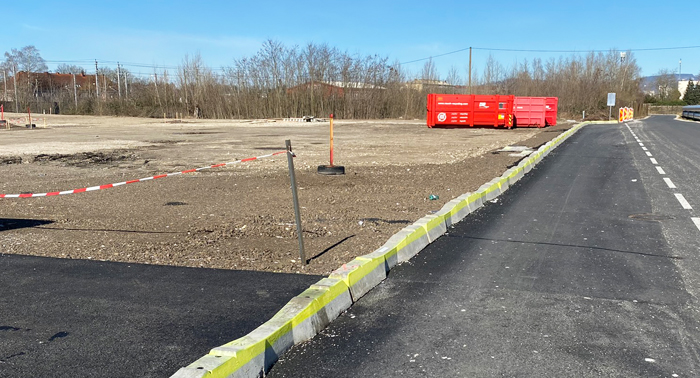
Currently work is underway to prepare the implementation of suitable rehabilitation measures. In close technical collaboration with the expansion of the site planned by the Holding Graz (expansion of the tram shed, underground car park and workshops), the rehabilitation project of BALSA will be incorporated into the project of the Holding Graz.
The joint submission documents (BALSA & Holding Graz) for approval under water law were sent to the authority for approval by may 2020. The construction project will be implemented after receipt of the approval under railway law and is to be completed by 2025. The rehabilitation measures of BALSA will be implemented in the course of the construction measures of the Holding Graz.
The cost share attributable to the contaminated site rehabilitation project is budgeted at around EUR 10 million.Assignments of BALSA:
Complete realisation and carrying out of remediation measures:
- conceptual planning / project filing / detailed planning
- planning and management of detailed exploration
- planning of remediation measures
- carrying out of award procedures
- all sub-tasks of project management and
- project steering
The approval of the project is in progress.
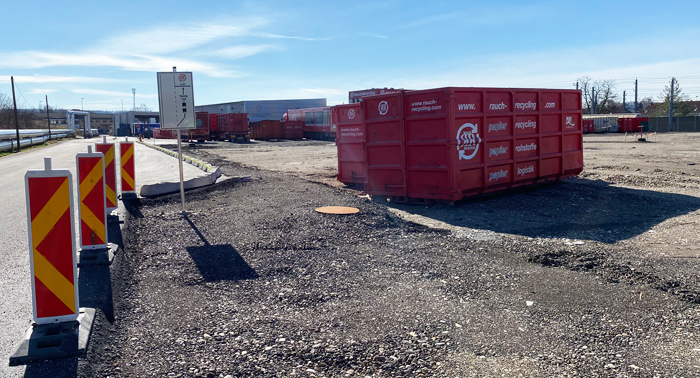
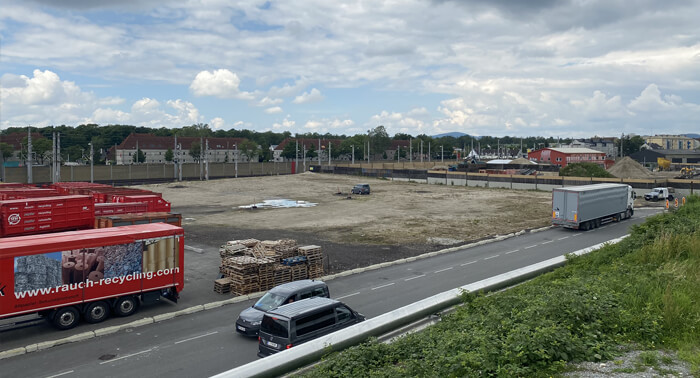
-
Contaminated site O40 / Upper Austria
Holzmüllerstraße
Subject of project
On this approx. 4 ha wide industrial area in Linz scrap metal dealers and motor vehicle utilisation and service centres were situated from the early 1960s to the early 1990s. Part of this commercial area was used for the temporary storage of scrap metals, domestic waste, bulk rubbish and scrap polluted with oil. In addition, a gas station, a shredder and a scrap and baling press were run. Due to this, a substantial contamination of the soil and groundwater was detected on the mainly unfortified areal. -
Altlast O40 / Tirol
Holzmüllerstraße
Projektgegenstand
Auf dieser ca. 4 ha großen Gewerbefläche in Linz befanden sich von Anfang der 1960er- bis Anfang der 1990er-Jahre Schrott- und Altmetallhändler -sowie Kfz-Verwertungs- und Reparaturbetriebe. Teile der Gewerbefläche wurden als Zwischenlager für Altmetall, Haus- und Sperrmüll und ölverunreinigte Schrottteile genutzt. Ebenso wurden eine Betriebstankstelle, eine Schredderanlage und eine Schrott- und Paketierpresse betrieben. Auf den großteils unbefestigten Flächen kam es dadurch zu beträchtlichen Verunreinigungen von Boden und Grundwasser. -
Altlast O40 / Tirol
Holzmüllerstraße
Projektgegenstand
Auf dieser ca. 4 ha großen Gewerbefläche in Linz befanden sich von Anfang der 1960er- bis Anfang der 1990er-Jahre Schrott- und Altmetallhändler -sowie Kfz-Verwertungs- und Reparaturbetriebe. Teile der Gewerbefläche wurden als Zwischenlager für Altmetall, Haus- und Sperrmüll und ölverunreinigte Schrottteile genutzt. Ebenso wurden eine Betriebstankstelle, eine Schredderanlage und eine Schrott- und Paketierpresse betrieben. Auf den großteils unbefestigten Flächen kam es dadurch zu beträchtlichen Verunreinigungen von Boden und Grundwasser. -
Altlast O40 / Tirol
Holzmüllerstraße
Projektgegenstand
Auf dieser ca. 4 ha großen Gewerbefläche in Linz befanden sich von Anfang der 1960er- bis Anfang der 1990er-Jahre Schrott- und Altmetallhändler -sowie Kfz-Verwertungs- und Reparaturbetriebe. Teile der Gewerbefläche wurden als Zwischenlager für Altmetall, Haus- und Sperrmüll und ölverunreinigte Schrottteile genutzt. Ebenso wurden eine Betriebstankstelle, eine Schredderanlage und eine Schrott- und Paketierpresse betrieben. Auf den großteils unbefestigten Flächen kam es dadurch zu beträchtlichen Verunreinigungen von Boden und Grundwasser.
-
> more
Assignments of BALSA:
Complete realisation and carrying out of remediation measures:
- planning of remediation measures
- carrying out of tendering and award procedures
- all subtasks of project management and
- project steering
- Projektsteuerung
Currently carrying out of groundwater monitoring measures. The current programme incorporates the period 2019 – 2024.
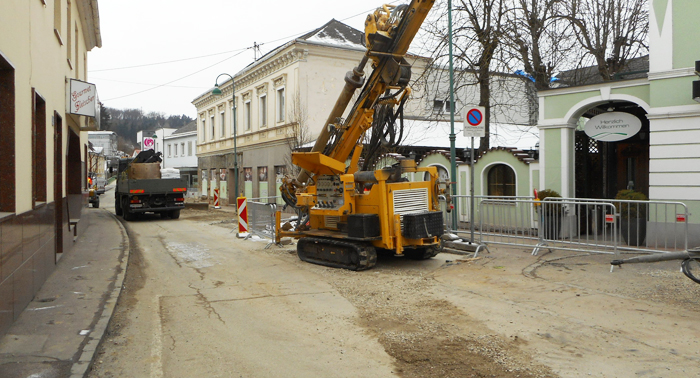
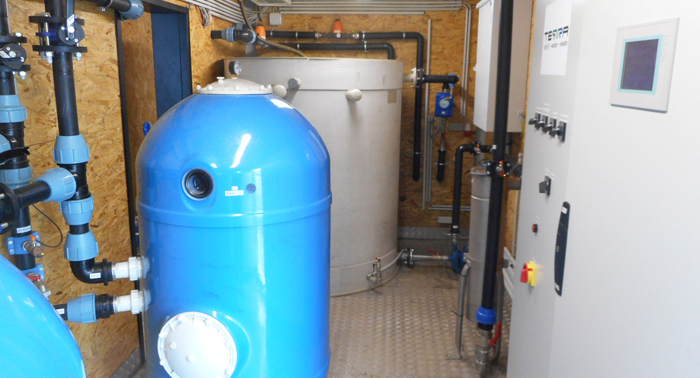
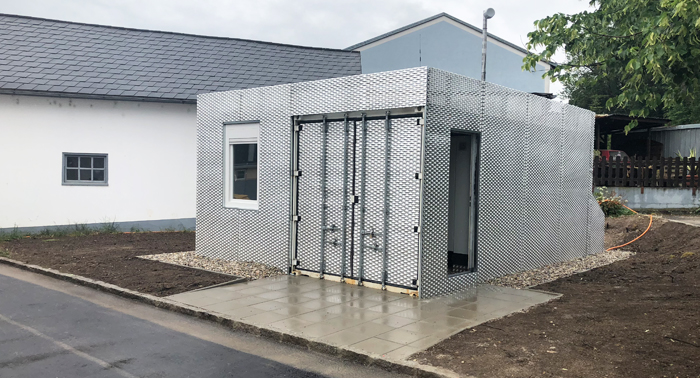
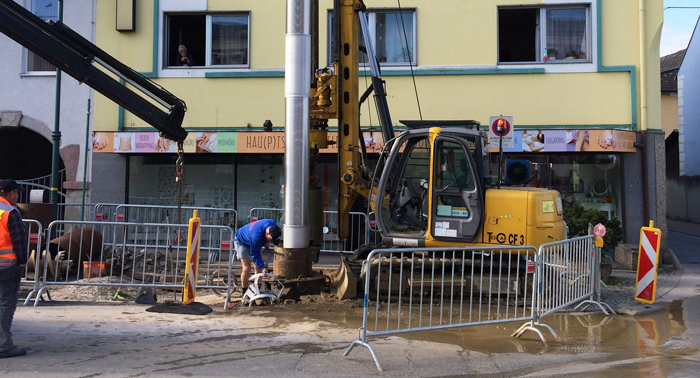
-
Contaminated site O43 / Upper Austria
Putzerei Lengauer
Project type
Formerly, the “Lengauer cleaning shop“ was a dry-cleaning company, located at the western end of the market square of Schwertberg. During the period 1969–1992, perchlorethylene was used as a detergent at the site. The main issue of this rehabilitation project is the contamination of subsoil and groundwater in the surroundings of a dry-cleaner, which have been polluted by the leakage of detergents.Extensive contamination plumes have already been detected in the groundwater runoff of the dry-cleaner, where several domestic wells as well as the industrial wells of a machine factory are situated.
-
Altlast O43 / Oberösterreich
Putzerei Lengauer
Projektgegenstand
Die Putzerei Lengauer ist ein ehemaliger chemischer Reinigungsbetrieb und befindet sich am westlichen Ende des Marktplatzes von Schwertberg. Am Altstandort wurde von ca. 1969 bis 1992 Perchlorethylen als Reinigungsmittel eingesetzt. Bei diesem Sanierungsprojekt handelt es sich um eine Boden- und Grundwasserverunreinigung im Umfeld einer chemischen Reinigung, die durch das dort ausgetretene Reinigungsmittel verursacht wurde. Eine entsprechend ausgedehnte Kontaminationsfahne im Grundwasserabstrom der Putzerei, in dem sich mehrere Hausbrunnen sowie die Nutzwasserbrunnen einer Maschinenfabrik befinden, wurde bereits festgestellt.
-
Altlast O43 / Oberösterreich
Putzerei Lengauer
Projektgegenstand
Die Putzerei Lengauer ist ein ehemaliger chemischer Reinigungsbetrieb und befindet sich am westlichen Ende des Marktplatzes von Schwertberg. Am Altstandort wurde von ca. 1969 bis 1992 Perchlorethylen als Reinigungsmittel eingesetzt. Bei diesem Sanierungsprojekt handelt es sich um eine Boden- und Grundwasserverunreinigung im Umfeld einer chemischen Reinigung, die durch das dort ausgetretene Reinigungsmittel verursacht wurde. Eine entsprechend ausgedehnte Kontaminationsfahne im Grundwasserabstrom der Putzerei, in dem sich mehrere Hausbrunnen sowie die Nutzwasserbrunnen einer Maschinenfabrik befinden, wurde bereits festgestellt.
-
Altlast O43 / Oberösterreich
Putzerei Lengauer
Projektgegenstand
Die Putzerei Lengauer ist ein ehemaliger chemischer Reinigungsbetrieb und befindet sich am westlichen Ende des Marktplatzes von Schwertberg. Am Altstandort wurde von ca. 1969 bis 1992 Perchlorethylen als Reinigungsmittel eingesetzt. Bei diesem Sanierungsprojekt handelt es sich um eine Boden- und Grundwasserverunreinigung im Umfeld einer chemischen Reinigung, die durch das dort ausgetretene Reinigungsmittel verursacht wurde. Eine entsprechend ausgedehnte Kontaminationsfahne im Grundwasserabstrom der Putzerei, in dem sich mehrere Hausbrunnen sowie die Nutzwasserbrunnen einer Maschinenfabrik befinden, wurde bereits festgestellt.
-
> more
Assignments of BALSA:
Complete realisation and management of remediation measures:
- conceptual planning / project-filing / detailed planning
- planning and management of detailed exploration
- planning of remediation measures
- carrying out of award procedures
- all subtasks of project management and project steering
Currently operating and monitoring of rehabilitation system.
-
Contaminated site W27 / Vienna
Schlickplatz fuel station
Subject of the project
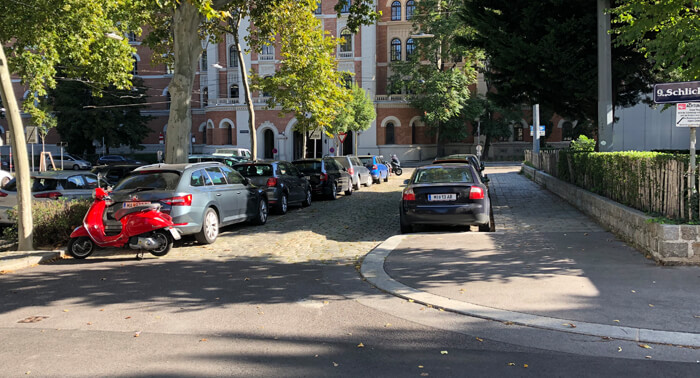
Between 1926 and 1991, a fuel station was operated on the contaminated site “Schlickplatz fuel station” in the 9th municipal district of Vienna. Otto fuels and diesel were stored in underground tanks and issued via pumps along a fuel station lane. The available documents indicate the contamination was caused fundamentally by petrol.The contaminated site has been recorded in the contaminated site register with priority 3 since 2/15/2015. Due to the heavy burden in the unsaturated zone and the fundamentally very good mobilisation capacity of the pollutants, the contaminated site constitutes a considerable risk for the environment.
-
> more
The area is currently being used as a side road and public parking space respectively.
The last available analyses originate from 2013. BALSA was commissioned in January 2019 to include the contaminated site in the processing as a Section 18 ALSAG case.Services of BALSA:
Updating of the damage status and recommendation for suitable measures to protect or rehabilitate the contaminated site:
- Determination of the required additional exploration measures
- Creation of the call for tender documents
- Conducting of award procedures
Accompaniment of the exploration measures (preservation of evidence with regard to groundwater, pump attempts, extraction attempts) over 3 years - All issues of project management and project control
A monitoring of the groundwater is being carried out at the present time. The current programme incorporates the period 2020 – 2022.